
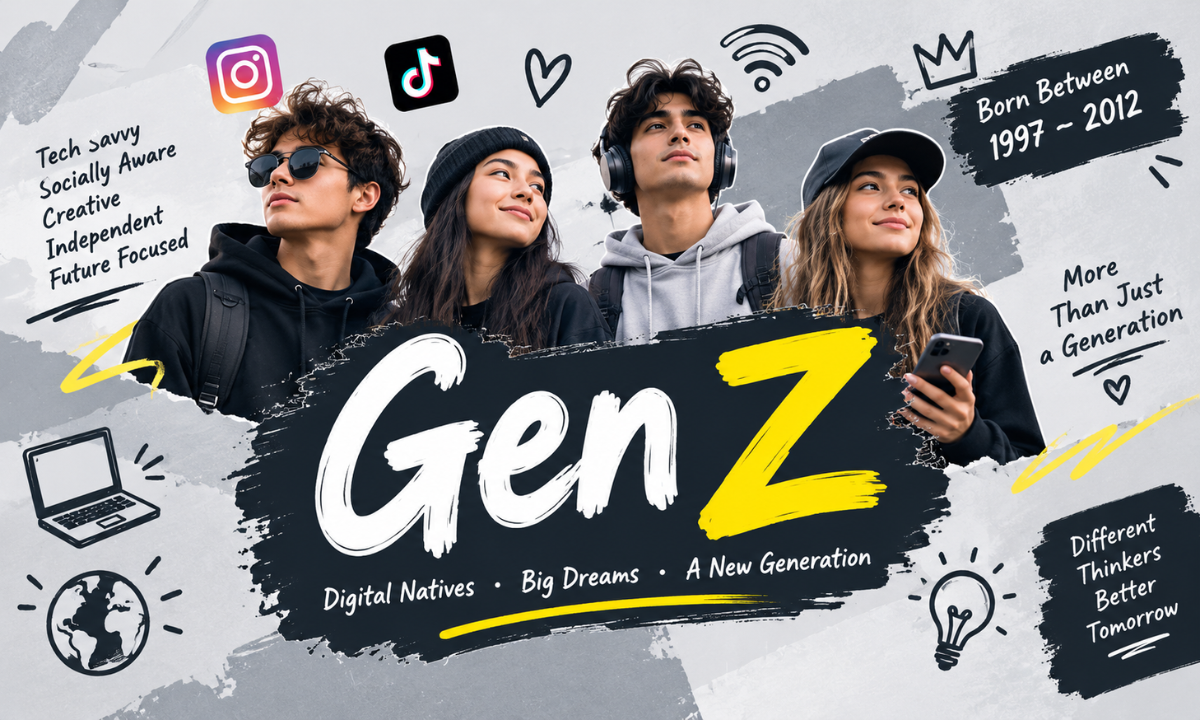

If you’ve been scrolling through social media, reading workplace trend reports, or just trying to understand your younger sibling’s slang, you’ve probably run into the term “Gen Z” more times than you can count. But what does it actually mean, and where do the lines get drawn?
This guide breaks down everything you need to know Gen Z about Generation Z who they are, when they were born, what makes them different from Millennials, and why brands, employers, and educators are paying so much attention to them.
What Is Generation Z?
Generation Z, often shortened to Gen Z and nicknamed Zoomers, is the demographic cohort that comes right after Millennials and right before Generation Alpha. Researchers and popular media generally use the mid-to-late 1990s as the starting birth years and the early 2010s as the ending birth years for this generation.
In simple terms, Gen Z is the first generation to grow up with smartphones, social media, and high-speed internet as a normal part of everyday life not something new they had to adapt to.
What Is Gen Z Age?
According to Pew Research, Gen Z includes people born between 1997 and 2012, which puts them at roughly 14 to 29 years old in 2026. That means this generation currently spans everyone from middle schoolers to young professionals well into their careers.
Gen Z Full Form
There isn’t a literal “full form” for Gen Z the way there is for an acronym — it simply stands for Generation Z, following the alphabetical naming pattern used after Generation X and Generation Y (Millennials). Since researchers ran out of Latin letters, the generation after Gen Z was named Generation Alpha, borrowing from the Greek alphabet instead.
Gen Z Characteristics
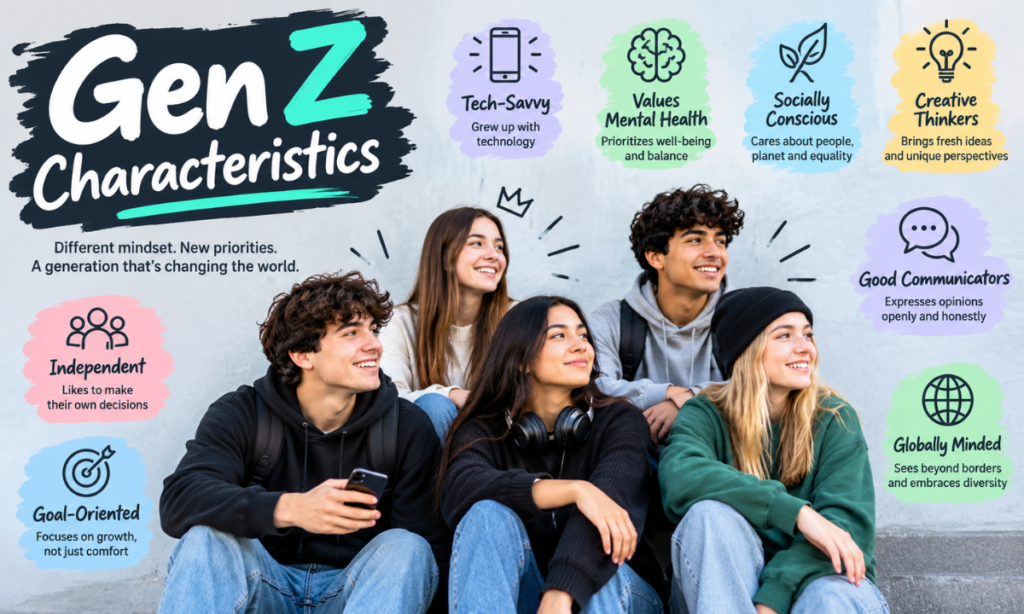
At a glance, Gen Z tends to be described as:
- Digitally fluent and comfortable multitasking across apps and devices
- Financially cautious, having grown up during economic uncertainty
- Focused on mental health and work-life balance
- Diverse and vocal about social and environmental causes
- Entrepreneurial, with many pursuing side hustles or content creation
Gen Z Meaning in Social Media
On platforms like TikTok, Instagram, and X, “Gen Z” is often used less as a strict age category and more as a cultural identity — tied to specific slang, humor styles, and aesthetics (think “core” trends, meme formats, and rapid-fire editing styles). In this context, being “Gen Z” is as much about attitude and online behavior as it is about birth year.
Demographic Composition
Generational cutoffs aren’t set by any government body or official census with the exception of Baby Boomers, which the U.S. Census Bureau does define. Instead, generational boundaries function mainly as analytical tools that help researchers study people who came of age around similar cultural and historical moments.
Read our Blog on Meanvix
Here’s how Gen Z fits alongside the generations around it:
| Generation | Birth Years | Approx. Age in 2026 |
| Baby Boomers | 1946–1964 | 62–80 |
| Generation X | 1965–1980 | 46–61 |
| Millennials (Gen Y) | 1981–1996 | 30–45 |
| Generation Z | 1997–2012 | 14–29 |
| Generation Alpha | 2013–2024 (approx.) | Under 13 |
A few key demographic facts about Gen Z:
- They make up roughly one-fifth of the U.S. population.
- Gen Zers are more likely to live in cities and metro areas, with only about 13% growing up in rural regions.
- They are the most ethnically and racially diverse generation in U.S. history so far.
- Most members of Gen Z have been shaped by two major global events: the Great Recession of 2007–2009 and the COVID-19 pandemic.
Social and Cultural Characteristics
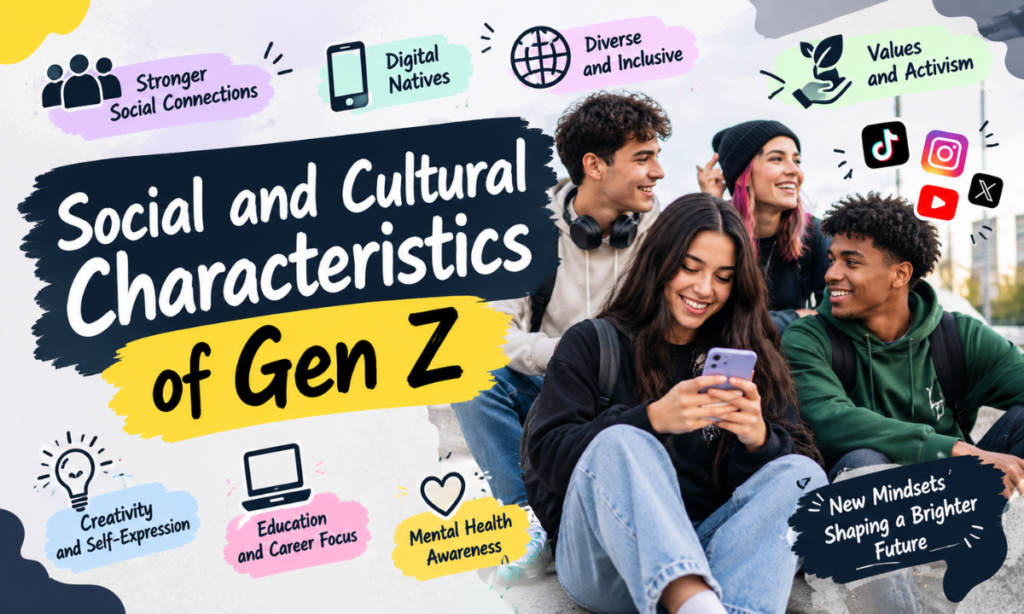
Gen Z’s worldview has been shaped by growing up online, watching economic instability play out in real time, and living through a global pandemic during their formative school years. This has led to some distinct social patterns:
- Delayed traditional milestones — research shows the oldest members of Gen Z are marrying later, with only about 4% married between ages 18 and 21, compared to roughly 7% of Millennials at the same age.
- Stronger emphasis on individuality — Gen Z tends to reject one-size-fits-all branding and gravitates toward authenticity over polish.
- Higher social and political engagement — many Gen Zers actively use social platforms to advocate for causes like climate change, mental health awareness, and inclusivity.
- Pragmatic outlook on money — having watched older siblings and parents navigate recessions, many Gen Zers prioritize financial stability and multiple income streams early on.
Educational Trends
Education looks different for Gen Z compared to previous generations, largely due to technology and shifting economic pressures:
- Higher college enrollment among early Gen Z, partly explained by the trend toward delaying marriage and career commitments in favor of further education.
- Preference for digital learning formats — video tutorials, interactive apps, and bite-sized content tend to resonate more than dense textbooks or long lectures.
- Rising skepticism about the ROI of a traditional four-year degree, with growing interest in trade skills, certifications, and online courses.
- Pandemic-era learning gaps — remote schooling during COVID-19 disrupted learning for a large chunk of this generation, especially those in early or middle school at the time.
Retirement Outlook
It might seem early to talk about retirement for a generation that’s still mostly in school or early-career jobs, but the outlook is already shaping up differently for Gen Z:
- Longer working timelines are expected, as rising living costs and student debt push retirement further out compared to Boomers or Gen X.
- Heavier reliance on personal savings and investment accounts rather than employer pensions, which are far less common today.
- Early interest in financial literacy — many Gen Zers are turning to apps and social media for investing tips, sometimes earlier than previous generations did.
- Uncertainty around traditional safety nets, like the long-term stability of Social Security, is prompting more Gen Zers to plan independently.
Gen Z and Technology
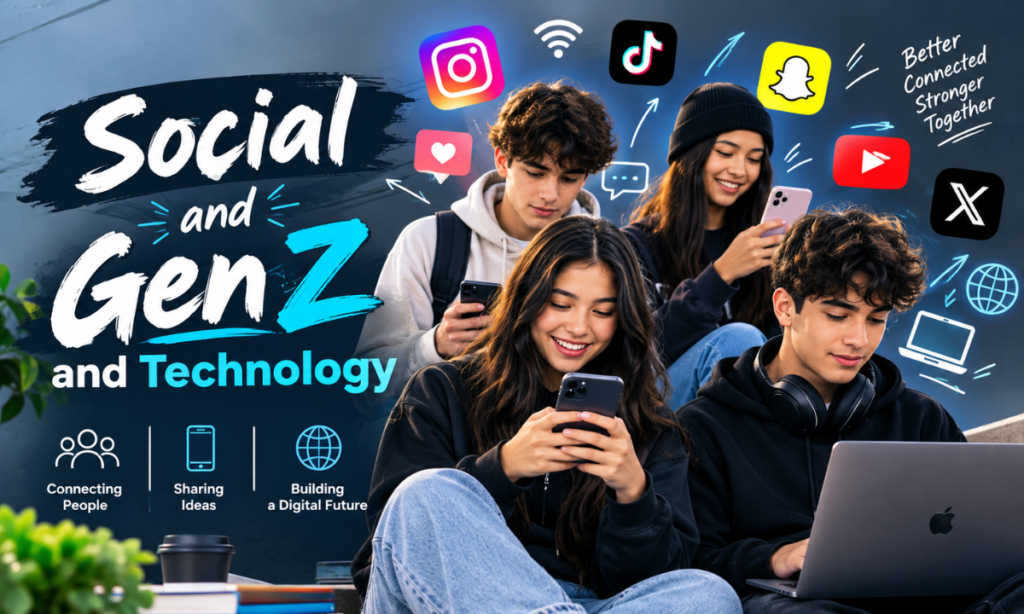
This is arguably the defining trait of the entire generation. Generation Z is considered the first social generation to grow up with internet access and portable digital technology from a young age, earning them the label “digital natives.”
Some specific ways this shows up:
| Behavior | Millennials | Gen Z |
| First exposure to internet | Teens/adulthood | Early childhood |
| Primary communication | Email, texting | Social media DMs, short video |
| Preferred content format | Long articles, blogs | Short-form video, visuals |
| Device habits | Desktop-first | Mobile-first |
| Career discovery | Job boards, networking | Social media, content creators |
A few more notable tech habits:
- Gen Z favors short-form video platforms like TikTok and Instagram Reels over long-form written content.
- Many prefer visual formats — infographics, dashboards, and quick tutorials — over dense reports or spreadsheets.
- They’re comfortable using AI tools for schoolwork, side projects, and even job searching.
- Online privacy awareness is generally higher than in older generations, despite heavy platform use.
The Bottom Line
Generation Z represents people generally born between 1997 and 2012, making them roughly 14 to 29 years old as of 2026. They’re the first truly “digital native” generation, shaped by constant connectivity, economic uncertainty, and global disruptions like the pandemic. While exact birth-year cutoffs vary slightly depending on the source, the core identity of Gen Z — tech-savvy, socially conscious, and financially cautious — remains consistent across most research.
Understanding these traits matters whether you’re a marketer building a campaign, an employer hiring young talent, or an educator designing a curriculum. Gen Z isn’t just a buzzword; it’s a distinct group with its own values, habits, and expectations.
FAQs
What years define Gen Z?
Gen Z is generally defined as people born between 1997 and 2012, though some sources use slightly different start and end points.
How old is Gen Z in 2026?
Gen Z is approximately 14 to 29 years old in 2026.
What comes after Gen Z?
Generation Alpha follows Gen Z, covering people born from roughly the early 2010s onward.
Why is it called Generation Z?
It follows the alphabetical pattern after Generation X and Generation Y (Millennials), landing on the last letter of the Latin alphabet.
What makes Gen Z different from Millennials?
Gen Z grew up with smartphones and social media from early childhood, while Millennials witnessed the internet’s rise during their teens or adulthood.
Is Gen Z the same as Zoomers?
Yes, “Zoomers” is simply an informal nickname for Generation Z.
Related Articles
- What Is Generation Alpha? Definition and Key Traits
- Millennials vs. Gen Z: Key Differences Explained
- How Gen Z Is Changing the Modern Workplace
- Gen Z Spending Habits and Financial Trends
